Google AdSense
Fit For Lax - Posture
Submitted by walax on Mon, 2006-10-02 19:45.
 Fit For Lax is back and better than ever after it's summer hiatus. Check back every week for a new installment in the Walax Fit For Lax series with our in-house fitness specialist.
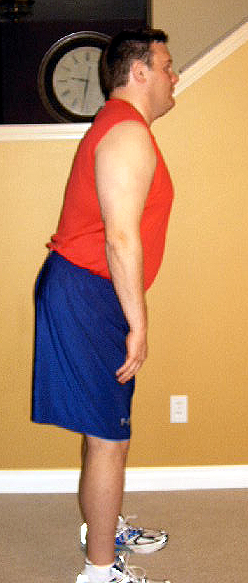
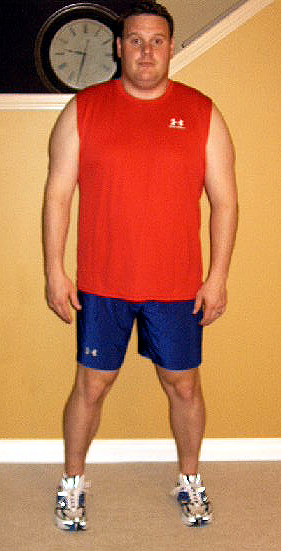
Fit For Lax is back and better than ever after it's summer hiatus. Check back every week for a new installment in the Walax Fit For Lax series with our in-house fitness specialist.Posture IS the most fundamental guide to your body. Having an understanding of its principles will help you create workouts for yourself for years to come. Gone are the days of one Muscle and Fiction article working for everyone. Once you understand posture you will be able to understand which exercises best suit your body type. For example in articles that will follow this you may see: Keep your hips back; do not do this if you have upper cross syndrome. Once you understand what Upper Cross Syndrome is you will know if it is something you shouldn't do. Once again when you understand posture I will be able to personalize your workouts like no one ever has. It will still take a little effort on your part, but your workouts will be more efficient and more conducive to your specific goals.
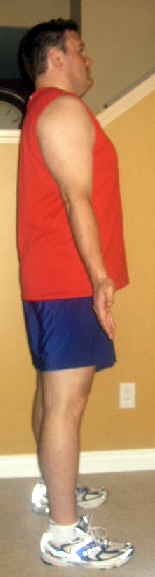
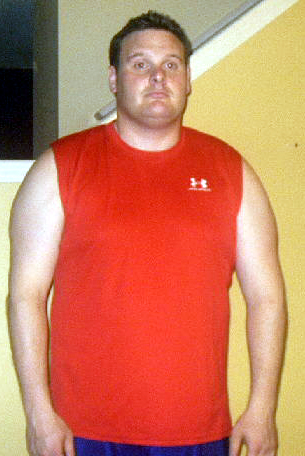
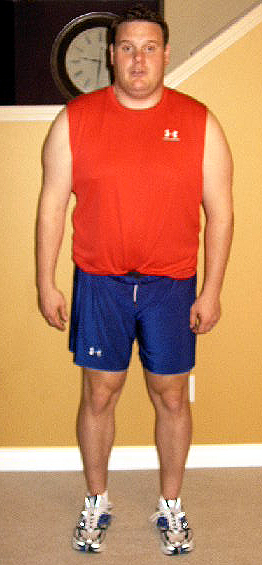
What is good posture? Here is my feeble attempt to show you good posture. (See pic below) Note: one cannot assess ones own posture; we always seem to stand up a little straighter when we are checking ourselves out. Get a partner and have them check. Make sure you breathe in and out 3 times and RELAX before you are being checked. And do not try to be perfect, what is the use in that you will never be able to fix a problem if you don’t know what it is. This is not the Miss USA posture contest here, this is for your own good. If you need help you may want to seek out a fitness professional or a doctor who is familiar with these principles (the principles of good posture). It takes a little practice to assess posture, this article is meant to be your guide.
The truth is 99% of us are not in perfect posture. We have to work on it, other than injury prevention; there are other benefits to proper posture they include:
- Greater strength
- More mobility
- Better Balance
- Greater Speed
- More caloric expenditure – the average person in good posture will burn about 20-30% more calories than one who is out of posture. If that sounds unbelievable stand in good posture for about 5 minutes and when your wiping the sweat off your brow you will become a believer!
- Better reaction time
I could go on for days but here it is in one sentence, better posture leads to better health all the way around!
There are four major postural deviations that we need to be concerned with. Forward Head, Upper Cross Syndrome, Lower Cross Syndrome, and Pronation Distortion Syndrome. Let’s start with forward head.
Forward Head
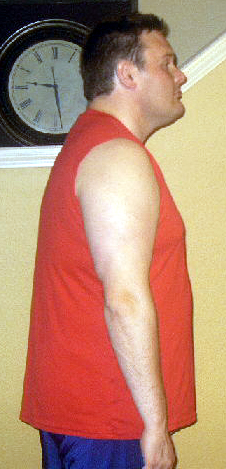
Just look at the pictures and you can see what this looks like. From the side the middle of the ear should be right over the mid point of the shoulder (Accromium Clavicular Joint). When the head is too far forward the muscles in the front of the neck are too tight and the muscles in the back are too loose. Remember that the articles following this one will be instructing you on how to care for the issue this is just assessing the problem.
Muscles to be stretched – Front of the neck
Muscles to be strengthened – Back of the neck
Upper Cross Syndrome
Upper cross syndrome is identified when someone’s shoulders roll forward. It kind of looks like one is slumping. In some cases upper cross syndrome will include the elbows rotating out. In upper cross syndrome the chest (Pectoralis Major and Minor, Anterior Deltoids) is too tight and the back (Mid Trapezius and Rhomboids) are overstretched. If the elbows are turning out the Lats (Latisimus Dorsi) are tight. The Lats insert near the top of the Humerus (arm bone), when they are too tight they internally rotate the arm forcing the elbows out.
Muscles to be stretched – Chest, Lats, Front of the Shoulders (Pectoralis Major/Minor, Levator Scapulae, Upper Trapeziuus, Latissimus Dorsi, Subscapularis, Sternoichlidomastoid, Rectus Capitus/ Scalenes)
Muscles to be strengthened – Mid Back (Rhomboids, Media and Lower Trapezius, Seratus Anterior, Teres Minor, Infraspinatus, Posterior Deltoid)
Lower Cross Syndrome
Lower cross syndrome or as I like to call it bucket syndrome is something that about 99% of us exhibit. If you think of your pelvis as a bucket if it is rotated forward like you are pouring water out of the front side of your bucket that is lower cross syndrome. If you have it really bad you will have duck butt or ghetto booty syndrome, which are self-explanatory.
Muscles to be stretched – Hip Flexor, Low back (Psoas, Superficial Erectoer Spinae, Rectus Femoras, Adductors)
Muscles to be strengthened – Gluteus (Medius and Maximus), and Abs (Lower Abdominals, Multifidus, Deep Erector Spinae, Gleuteus Maximus, Biceps Femoris)
Pronation Distortion Syndrome
Pronation Distortion Syndrome is the syndrome that affects the knees and the hips the most. Take your shoes off, and place your feet shoulder with apart. Squat down until your knees reach a 90-degree angle. If as you squat your knees bow in and or your feet flatten you have it!
Muscles to be stretched – Adductors and Peronials (Side of the calf) (Peronials, Adductors, Medial Hamstrings, TFL, ITB, Psoas)
Muscles to be strengthened – Abductors (outside of the hip) and Posterior Tibialis (Posterior Tibialis, Anterior Tibialis, VMO, Biceps Femoris, Gleuteus Maximus)
Remember that if done correctly the identification of these deviations will greatly improve your training. If it is something you have questions about please contact me at [email protected]. Send me a picture of you from the side and I will identify it for you. In the next few weeks were going to take a closer look at how to deal with these postural deviations.